 AI Side Hustle
Build the file your buyer will open first.
A useful first edition contains a blank tool, a completed example and a short instruction. Pick a sample below and adapt the decisions it helps someone make.
Choose a product to unpack.
Try the bakery batch calculator and download its Excel planner →

The wedding florist’s quote brief
For Independent wedding florists. Collect the details needed for a first estimate in one client conversation.
“We need flowers for a small wedding. What would it cost?”
- Event date and venue access time
- May 15 · access from 11 am
- Guest tables and ceremony pieces
- 8 tables · 1 ceremony arrangement
- Budget range and who approves
- $900–$1,200 · couple approves
- Details to confirm before quoting
- Venue collection time still unknown
Ask before building. Ask a florist to show you the last inquiry that required a second email. Which missing answer held up the estimate?
Try it with a buyer. Give the brief to two florists with a fictional inquiry. Watch which fields they skip and whether they can draft the next email.
Download the editable CSV ↓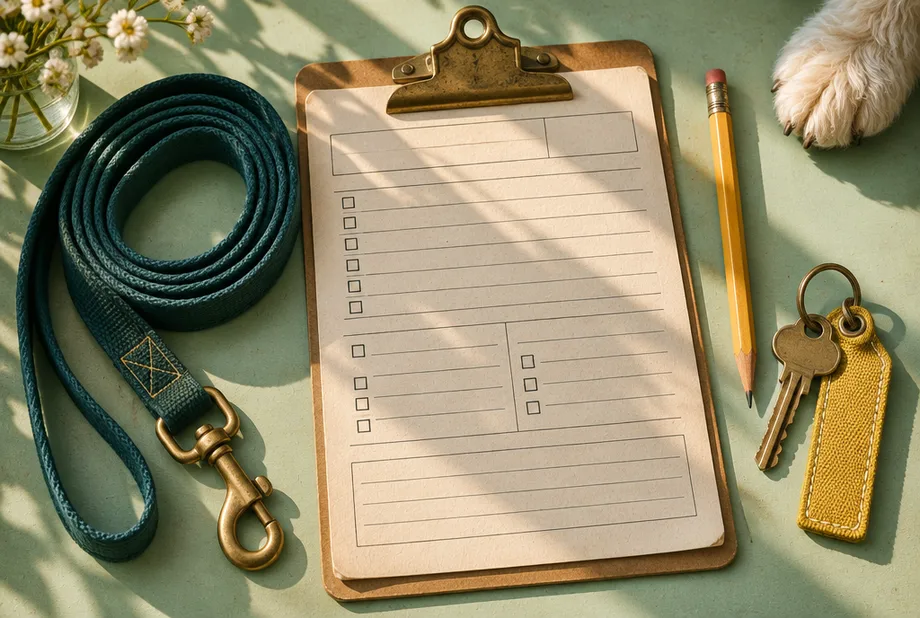
The pet sitter’s first-visit sheet
For Solo pet sitters taking on new households. Turn a meet-and-greet into a clear first-visit handoff for a backup sitter.
“Everything you need is somewhere in our messages.”
- Visit window and check-in method
- Friday 4–5 pm · text on arrival
- Owner-approved routine
- Follow the owner’s written evening routine
- Location of supplies
- Lead on the hook by the door
- Agreed escalation contact
- Use the contact on the private booking record
Ask before building. Ask a sitter what they last had to text an owner about during a visit. Look for the same missing detail in a second story.
Try it with a buyer. Give a blank sheet and fictional notes to a sitter. Can a second person find the visit time and lead without asking the first sitter?
Download the editable CSV ↓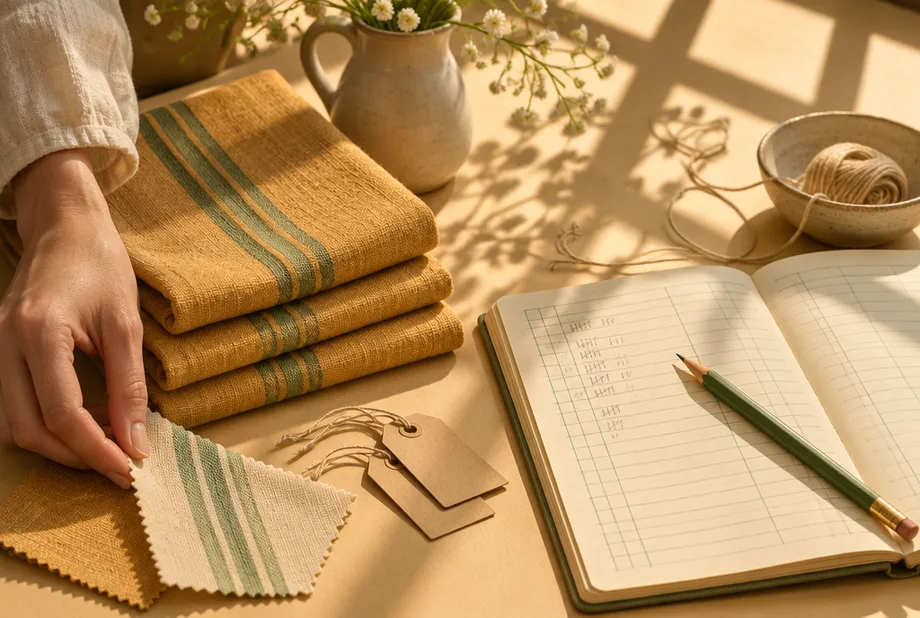
The market vendor’s restock sheet
For Makers selling at weekend markets. Use the last stall’s stock count to decide what to bring next Saturday.
“Did the olive towels sell out or did I bring too few?”
- Item
- Olive tea towel
- Units packed
- 12
- Units sold
- 9
- Next event target
- 12
Ask before building. Ask a vendor how they decided what to pack after their last sellout. See whether a notebook, receipts or a spreadsheet already does the job.
Try it with a buyer. Ask a maker to enter one real item after a market. Check that the next restock quantity makes sense when nothing sells and when everything sells.
Download the editable CSV ↓- 1. Find the repeat question
Save one example from a real conversation.
- 2. Turn it into a field
Write a label the buyer can answer unaided.
- 3. Include a filled copy
Show a realistic answer next to the blank version.
Package a first edition.
Define the finished task
Write the before and after in one sentence. Decide which questions, columns or steps are essential to reaching that result. Cut the rest.
Fill it in yourself
Make the blank version and a fictional completed copy. Try a normal case and an incomplete case. In a spreadsheet, test a zero, an empty cell and an impossible value.
Hand it to a fresh reader
Ask one person to open the file and finish the task without your help. Note where they pause. Put the answer beside the confusing field and have them try again.
Deliver the promised files
Name each file clearly, include the format and software needed, and add a short start-here note. Test the actual buyer download on a phone and desktop before announcing it.
Give each agent one job.
Watch the researcher, maker and reviewer turn a rough brief into a tested sample.