 AI Side Hustle
1. Find the repeat decision
Ask a baker to walk you through their last pickup. Where did they combine orders? When did the number change? Write down the workaround and the last error it caused.
Pocket product workshop
A baker closes Saturday orders and counts the same messages twice. Follow that task into a working spreadsheet, then use the worksheet to test a problem of your own.
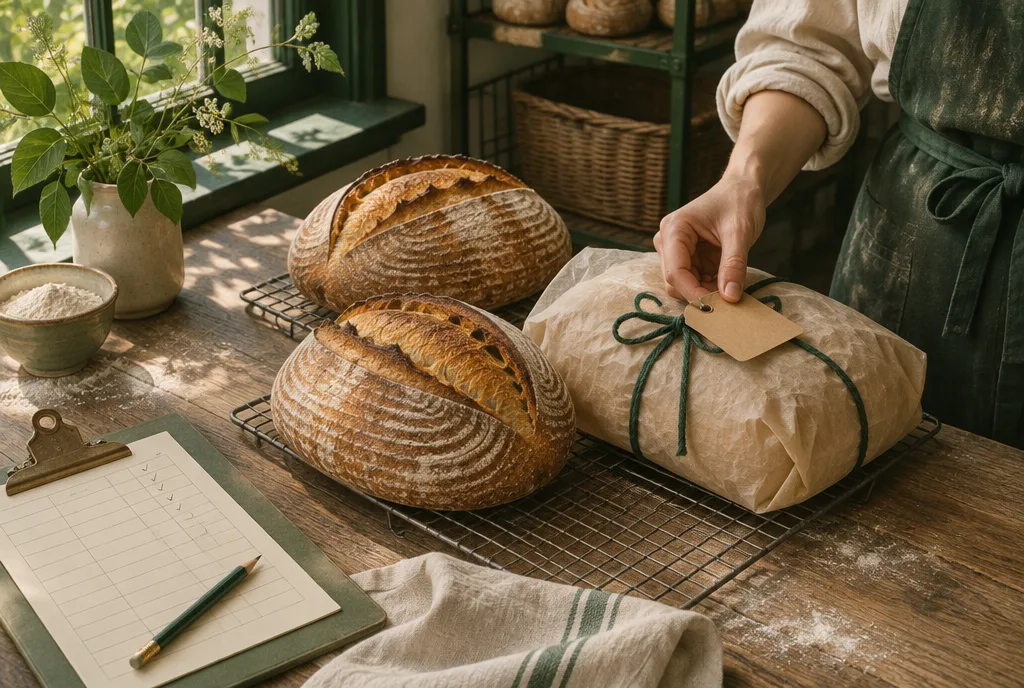
Ask a baker to walk you through their last pickup. Where did they combine orders? When did the number change? Write down the workaround and the last error it caused.
Start with one variety and one pickup. Count confirmed loaves, subtract ready stock, and round up to whole batches. A buyer can check the result by hand.
Give a baker the blank sheet and an anonymized order list. Ask them to plan a pickup without your help. Record the first field they hesitate over and whether the result changes their plan.
Change the numbers for one bread variety and pickup window. “Ready loaves” means usable stock available for that same pickup.
The Excel file includes a completed pickup, a reusable planning sheet and instructions. Copy a new sheet for each pickup and keep each bread variety on its own row.
Agent workflow
ChatGPT sorts anonymous order notes. Claude drafts the spreadsheet. You reconcile one pickup by hand. Muse or a reminder bot helps you follow up after the test.
Start where you can reach a buyer and see their current process. These are research leads to investigate.
Think about the last time someone did the task. Answer three questions to choose your next test.
Take the interactive worksheet offline ↓ Single HTML file · works without an account or internet connection.
Invite the tester to use the revised sheet for their next pickup. Show the exact file, the price, and how they will receive it. Record what they paid, how long support took and what they used again. A second paid use or a referral is a reason to test a wider audience.